You skip a song. That's the whole action, as far as the app is concerned — one tap, one signal, filed away in a database that decides what plays next. But that skip meant something more specific than "less of this." Maybe it was too loud for the room you were in. Maybe you love the artist but not this particular mood, this particular Tuesday. Maybe you were done with music entirely and just wanted quiet. The app doesn't ask, and it can't tell the difference — it has one output, and it uses it for one purpose: keep you here, keep you tapping.
That's the version of "personalization" almost everyone has lived with for so long it stopped feeling like a design choice at all. It just feels like how apps work.
The two outputs
Here's the reframe we're building AlignAlgo around: every action you take actually produces two outputs, not one. There's the outside output — the skip registers, the cart gets the item, the swipe goes left or right, the song plays. That output belongs to the platform you're using, exactly like it always has. Nothing about that layer has to change; the click still lands, the purchase still ships.
And there's a second output — the meaning underneath the action. Not just what you did, but what it says about your taste, your trust, your standards, the mood you were actually in. Right now, for almost everything you use, that second output either gets thrown away or gets kept by whoever owns the app, folded into a model that works for them, not you.
Own Your Algorithm is the belief that the second output should come home. Not instead of the first one — alongside it. The click still does its job out in the world. The meaning comes back to you.
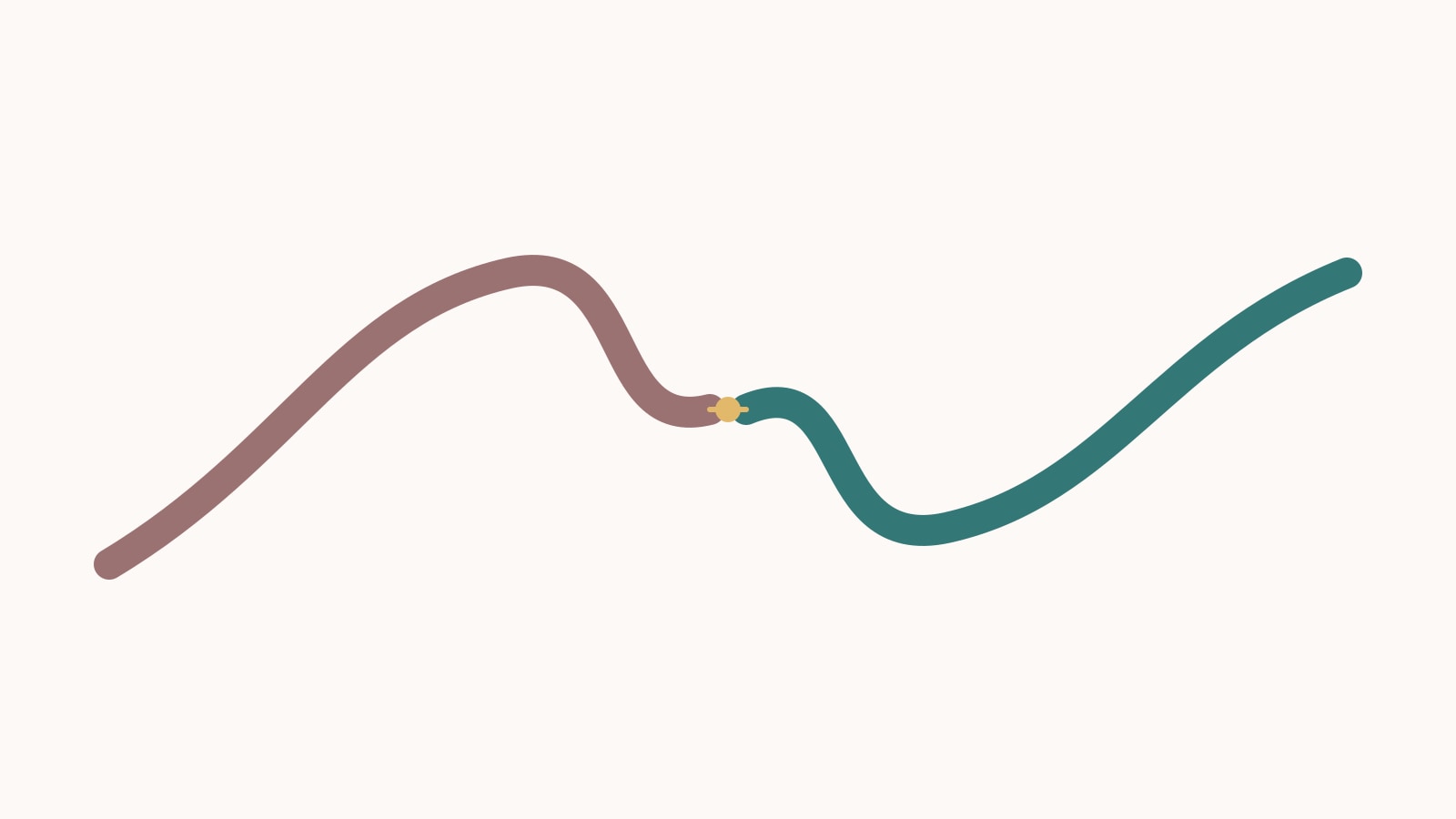
Two outputs, every time: the click the platform sees, and the meaning you keep.
What that actually feels like
It's easy to describe this abstractly and have it mean nothing, so here's the difference in practice, without any diagram of how it works underneath — because that part isn't the point, and it isn't what makes the difference feel real anyway.
It stops treating every version of you as the same person. Loving a song at 2am, half-asleep, is not the same signal as loving a song on a Tuesday morning drive — even if it's the exact same tap on the exact same song. A system paying attention to the second output notices the difference. What comes back to you afterward fits the moment you were actually in, not just the button you happened to press.
It doesn't reset every time you switch apps. Right now, what one app has learned about your taste is worth nothing the moment you open a different one — you start over, every time, from zero. When the meaning is yours instead of the platform's, it travels with you. What you loved in one place shows up already understood in the next, even somewhere you haven't fully joined yet.
It starts finding your actual people. Not people who look like you online, or follow the same accounts — people whose taste genuinely runs the same direction as yours, quietly matched underneath, faceless and anonymous unless you choose otherwise. "People like you loved this" stops being a marketing line and starts being something closer to true.
None of that requires you to think about taste graphs, matching engines, or anything happening underneath. That's deliberate. The feeling is the product. The machinery is our job to get right, not yours to audit line by line — you should be able to trust the outcome without needing to read the blueprint, the same way you trust a nutrition label without needing to see inside the factory.
The part that doesn't change, on purpose
To be clear about what "two outputs" is not: it's not a promise that your data disappears, or that companies stop learning from what you do. Learning from behavior is how good recommendations happen at all, and pretending otherwise would be a different kind of dishonest. The outside output — the click, the purchase, the play — still exists, still works the way it always has, still serves whatever app you're using in the moment.
What changes is who the second output answers to. Right now it answers to the platform, silently, by default, with no real say from you. Own Your Algorithm just moves the second half of every action from "disappears into someone else's model" to "comes home to yours" — and lets you see it, export it, and take it with you if you ever decide to leave.
Try it, don't just read about it
We built a small, honest demo of this — no account, nothing saved, nothing that leaves your browser — where you can react to a few everyday things and watch your own taste pattern take shape in real time, alongside exactly what a typical platform would have seen from the same action and what stayed with you instead. It's not a simulation of the future. It's the same engine every AlignAlgo product runs on, just small enough to feel in under a minute.
Two outputs, every time: the click the platform sees, and the meaning you keep. Join Own Your Algorithm, then decide for yourself whether that second half has been worth throwing away all along.